
Thessaloniki4all: Your Thessaloniki
Thessaloniki4all is an English-language guide to the monuments and museums of Thessaloniki. It brings together the Roman, Byzantine and Ottoman heritage of the city in one place, so that visitors and curious readers can discover where each monument stands and what makes it special.
Featured Monuments
The selection below shows the variety of the city: a mosque, a church, a museum, a bath and a Roman arch, each from a different period of Thessaloniki's long history.
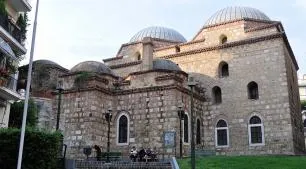
Alaca İmaret
Post-Byzantine, a mosque and Ottoman monument.
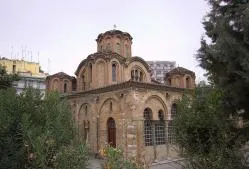
Agioi Apostoloi
Byzantine, a church and Christian monument.
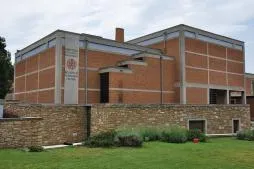
Museum of Byzantine Culture
A museum devoted to the Byzantine era.
Bey Hamami
Post-Byzantine, a bath and Ottoman monument.
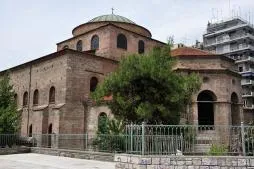
Agia Sophia
Byzantine, a church and Christian monument.
Kamara
Roman, an archaeological site and classical monument.
All monuments
Every monument of the guide is listed here by the period it belongs to, together with its type and the century of its construction.
Byzantine churches and monasteries
- Acheiropoiitos: 8th century.
- Agia Aikaterini: 13th century.
- Agia Sophia: 5th century.
- Agioi Apostoloi: 14th century.
- Agios Dimitrios: 4th century.
- Agios Nicolaos Orphanos: 14th century.
- Agios Panteleimon: 13th to 14th century.
- Latomou Monastery: 5th century.
- Metamorphosis tou Sotiros: 14th century.
- Monastery of Vlatadon: 14th century.
- Panagia Chalkeon: 11th century.
- Panagia Lagoudiani - Laodigitria: 19th century.
- Prophet Elias: 14th century.
- Taxiarhes: 14th century.
Post-Byzantine churches
- Agios Athanasios: 19th century.
- Agios Gregorios Palamas: 20th century.
- Agios Minas: 9th century.
- Ipapanti: 19th century.
- Nea Panagia: 18th century.
- Panagia Gorgoepikoos Panagouda: 19th century.
Roman monuments
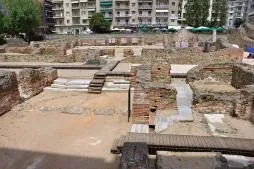
- Archaia Agora: 1st century.
- Galerius Palace: 3rd century.
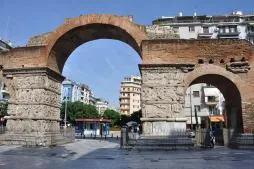
- Kamara: 3rd century.
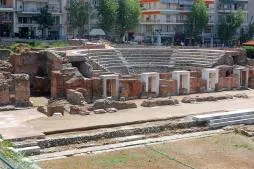
- The Hippodrome: 3rd to 4th century.
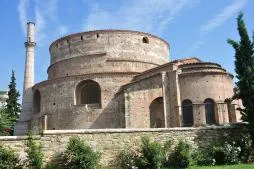
- Rotonda: 300 AD.
Ottoman monuments, baths and walls
- Alaca İmaret: a mosque of the 15th century.
- Hamza Bey: a mosque of the 15th century.
- Bezesteni: an Ottoman covered market of the 15th century.
- Bey Hamami: a bath.
- Yahudi Hamami: a bath.
- Yeni Hamam: a bath.
- Byzantine bath: 13th to 14th century.
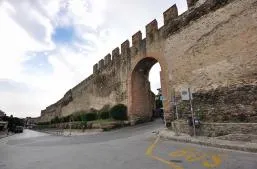
- Walls: the city walls, 19th century.
Museums
- Archaeological Museum
- Museum of Byzantine Culture
- Museum of the Macedonian Struggle Foundation
- Residence of Moustafa Kemal Atatourk
- The Jewish Museum
Latest News
Thessaloniki: Capturing "yesterday" into the city of "today"
A bilingual book (Greek and English) about the city of Thessaloniki, offering a look at how the city of the past lives on in the city of today.
App for Thessaloniki
Thessaloniki4all now comes as a free app for Android, so the guide can travel with you around the city.
About
Thessaloniki4all.gr is an initiative of the publishing company Methexis, aiming to highlight the city of Thessaloniki.
How to use the guide
On the map you will find the exact location of the monuments. Select one and you will be directed to a page with audio-visual material about that monument.
Planning your walk
The monuments of Thessaloniki are spread across the centre of the city, and many of them can be combined in a single walk. Start with the period that interests you most, such as the Roman remains around the Rotonda, the Byzantine churches or the Ottoman baths, and use the map to link nearby sites. Museums are a good choice for a break from walking, since they place the monuments in their historical context.
Frequently asked questions
What can I find in the guide?
The guide covers churches, mosques, baths, archaeological sites and museums of Thessaloniki, each with its period and type.
How are the monuments organised?
They are grouped by period, from the Roman era through the Byzantine centuries to the Ottoman and later times, so you can browse the history of the city in order.
Does the guide come in other languages?
The site is offered in several languages, and this page presents the English version.